Postcard from Hawai’i
by Liesha Northover
One of the most engaging ways to understand a place is through its plants. During a recent visit to O’ahu – known as the ‘gathering place’ – I joined a tour exploring the island’s agricultural landscapes, from coffee farms to the pineapple fields that helped shape Hawai’i’s farming history.
Travelling beneath the broad canopies of monkey pod trees, I quickly noticed the deep red soil that characterises much of the island. The colour comes from oxidised iron in volcanic rock and creates fertile conditions for many crops.
A stop at Green World Coffee Farm introduced us to coffee cultivation. Behind the café is a small coffee garden where visitors can walk among the coffee trees and see the beans growing on the branches. The farm also offers tastings of locally roasted coffees. I ordered a toasted marshmallow gingerbread latte – best coffee in Hawai’i!
One of the most interesting stops was the historic Dole Plantation, where I learned about the development of Hawai’i’s pineapple industry by James Drummond Dole. Pineapples require patience to grow, typically taking 17 to 22 months from planting to harvest. They can also be propagated by rooting the leafy crown of the fruit – a simple but effective method that demonstrates the resilience of the plant.
Within the plantation grounds there is also a botanical garden that showcases a range of tropical plants grown in Hawai’i. Walking through the garden provided a closer look at the diversity of foliage plants, flowering species and tropical crops that thrive in the island’s warm climate and volcanic soils. The garden highlights how plants that many visitors recognise as houseplants, such as Anthurium, grow outdoors in abundance in Hawai’i’s natural environment.
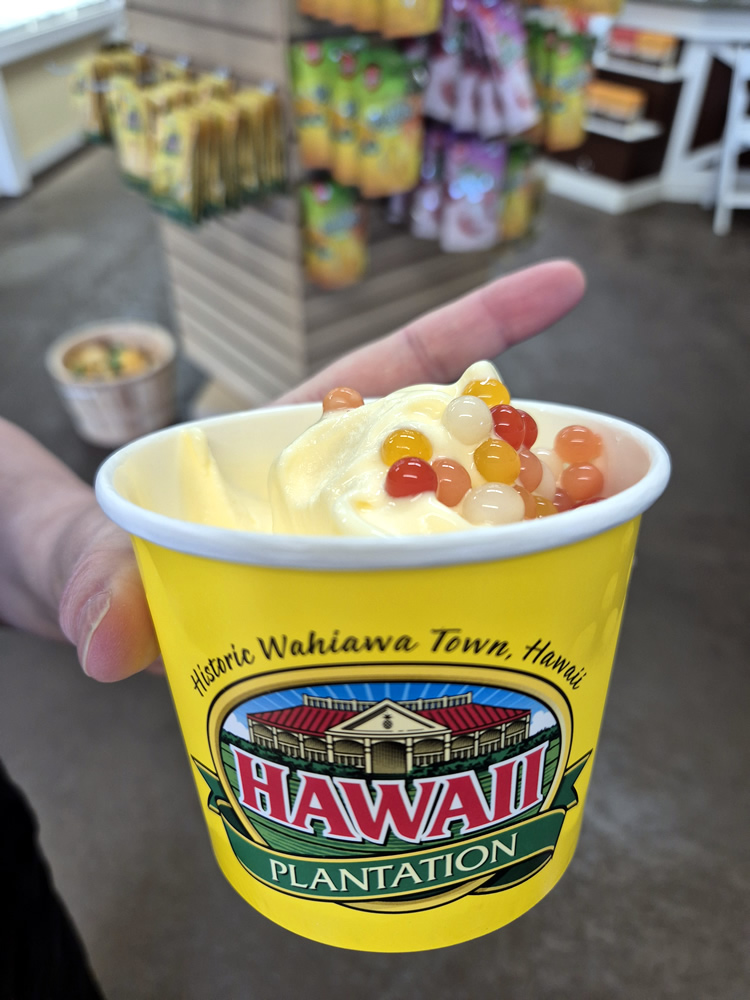
While visiting, I also tried the famous Dole Whip, a pineapple soft serve that has become closely associated with the plantation. Enjoying it on site felt like a fitting way to experience the crop in its final form – a simple, refreshing reminder of how a single plant can shape both agriculture and tourism in Hawai’i.
We also stopped at a macadamia farm. Although macadamias are native to Australia, they have become strongly associated with Hawaiian agriculture. Large-scale plantations are mainly located on Hawaiʻi Island, where the volcanic soils and climate are well suited to commercial production. So, at a macadamia farm there were only a few trees on display for visitors to see what they look like. The focus of the visit was tasting the wide range of flavoured macadamias produced from the crop.
For me, the tour showed how closely horticulture is woven into Hawaiian landscapes and culture – from plantation crops to native flowers such as the yellow ʻilima and the state flower, the yellow hibiscus. It was a memorable way to experience the island through its plants. 🌿🌺
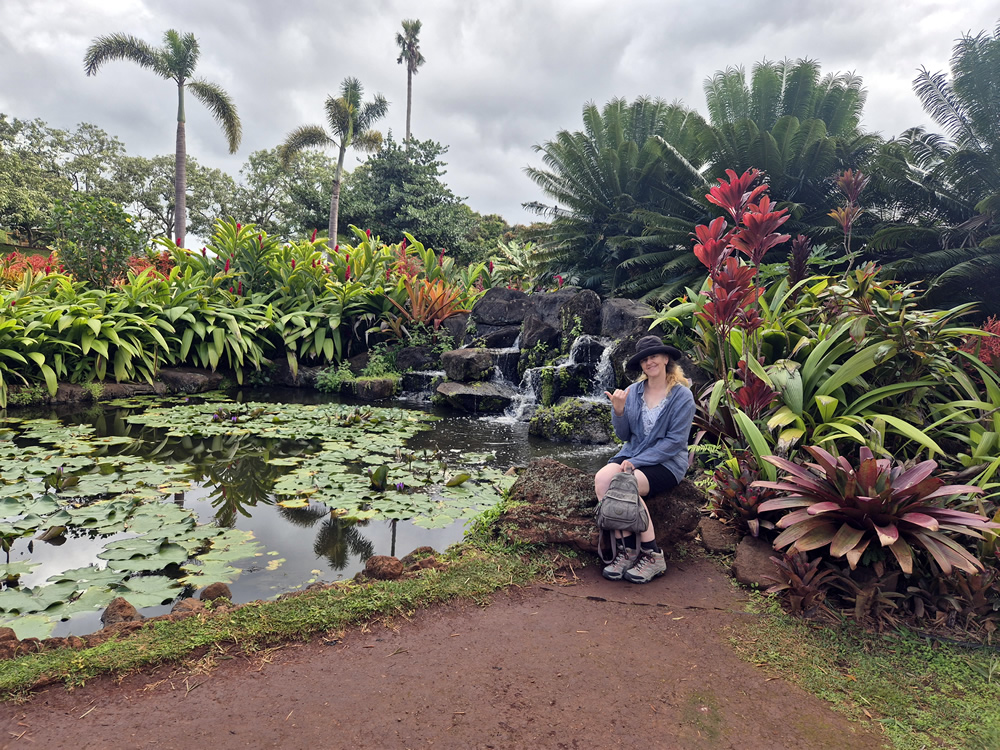
Gardens at the Dole Plantation
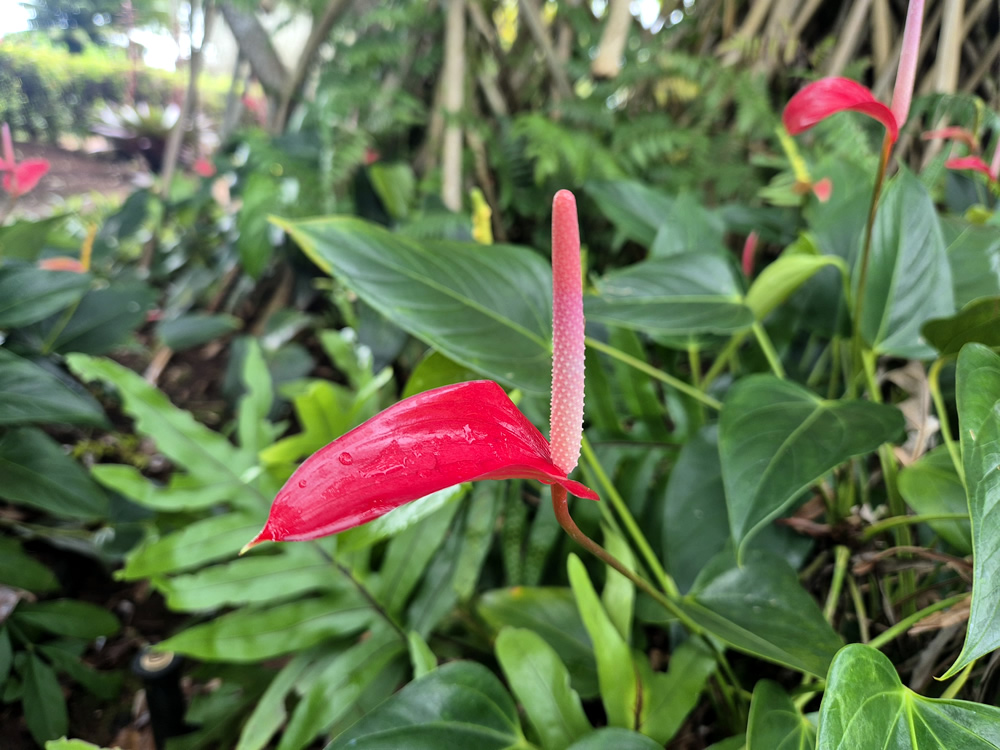
Anthurium
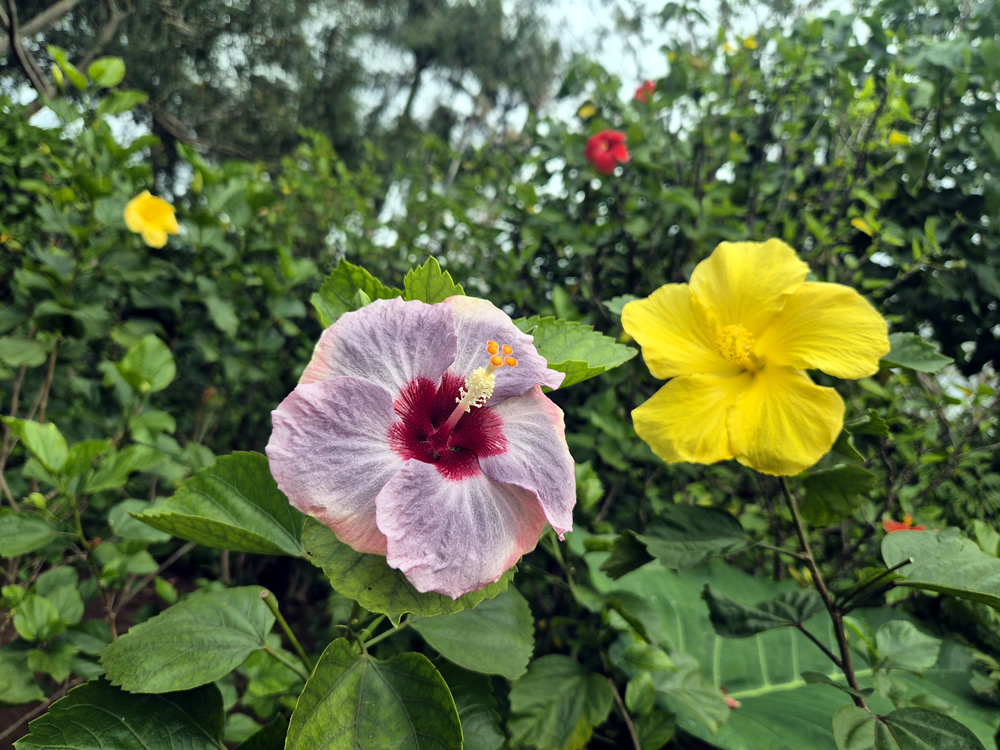
Hibiscus
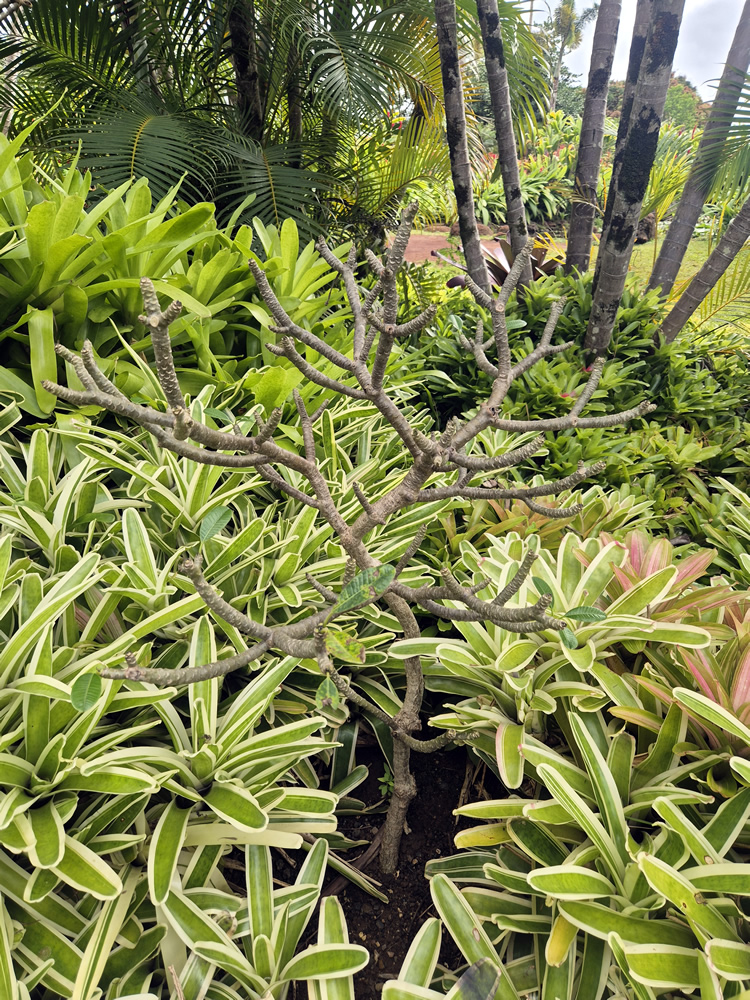
Plumaria in Hawaii’s winter
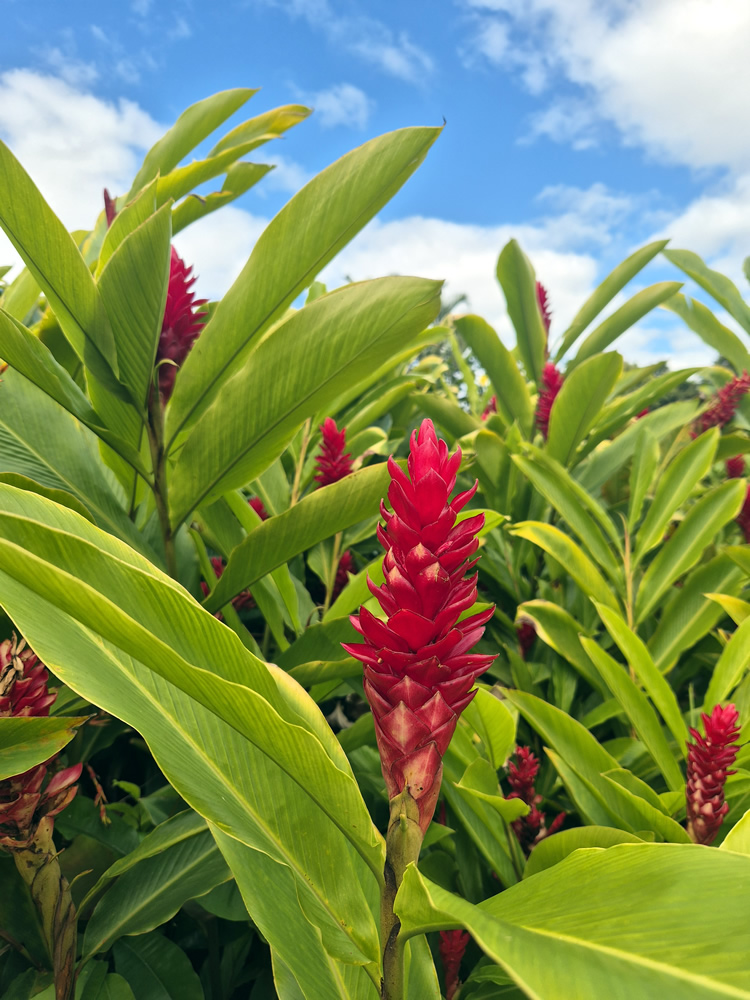
Red ginger